Masking and Missed Diagnosis: A Look at Autism in Girls
I’m adding a disclaimer here to note: many autistic people hold gender diverse identities. For the accessibility of this post I am referring to “girls” and “women”, which tend to be the terms reflected socially and academically on this subject, but I do recognize that even for those who were assigned female at birth, these limiting terms may not match their individual experiences of gender identity.
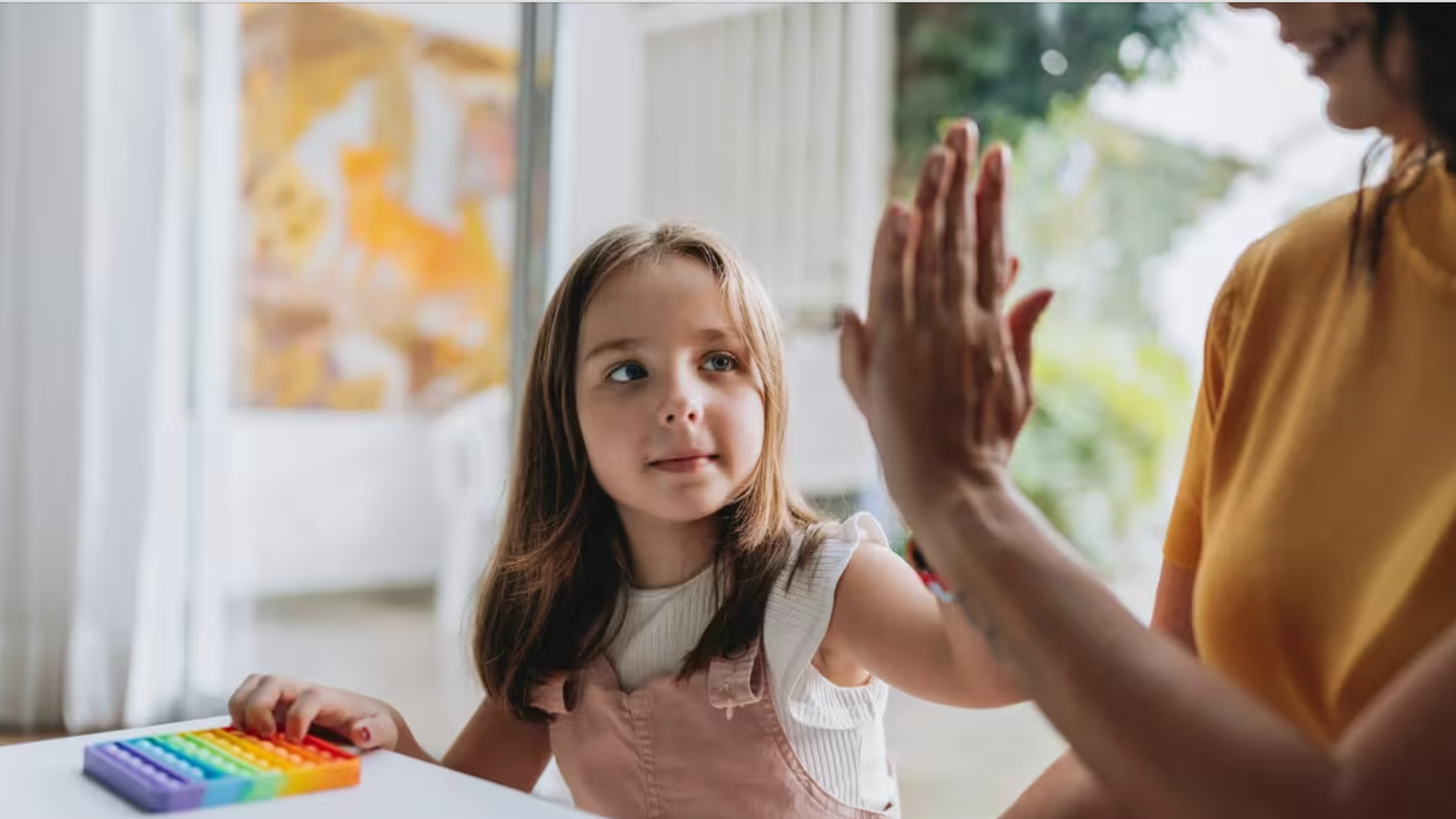
Autism has historically been described and researched through a predominantly male lens. As a result, many parents, educators, and even professionals still picture a fairly narrow, stereotypical presentation. Fortunately, we now understand that autism is far more diverse, and that girls and women often present in ways that are quieter, subtler, and easier to miss.
As a child psychologist in Calgary, I often meet families who say, “She doesn’t look autistic,” or women who share, “No one saw it when I was young.” This article will outline the typical presentation of autism and explore why girls and women may show a different profile.
What Is Autism?
Autism Spectrum Disorder (ASD) is a neurodevelopmental condition characterized by differences in:
Social communication and interaction
Restricted, repetitive patterns of behaviour, interests, or sensory experiences
Autism is a spectrum, meaning it includes a wide range of abilities, strengths, and support needs.
The Stereotypical Presentation
Most early research on autism was based largely on boys, which shaped our understanding of the “prototypical” presentation. Common features include:
1. Social Communication Differences
The more traditional presentation might include difficulties with eye contact, flat affect, lack of social reciprocity, low social motivation and no friendships
2. Restricted or Highly Focused Interests
The stereotypical presentation would include overtly odd interests (e.g. memorizing airport codes), inability to talk or think about anything else
3. Repetitive Behaviours
The “classic” presentation might include hand-flapping, lining up objects, rigid routines or strong resistance to change
4. Sensory Sensitivities
The more “typical” presentation of autism includes sensory sensitivities in the form of overt and obvious distress with loud noises or bright lights, strong reactions to certain clothing textures, and/or intensely seeking sensory input
This profile of autism is still valid- and many girls and women might experience some of these differences- but it does not capture the full picture.
Why Girls and Women May Present Differently
Increasing research and clinical awareness show that autistic girls and women often present in more nuanced ways. There are several reasons for this.
1. Socialization Differences
From a young age, girls are often socialized to:
Be relational and attuned to others
Observe and imitate social behaviour
Suppress behaviours that appear “different”
As a result, autistic girls may study social interactions carefully and consciously learn social scripts. They may appear socially competent on the surface, especially in structured settings.
2. Camouflaging (Masking)
Many autistic girls and women engage in masking, meaning they consciously or unconsciously hide autistic traits.
Masking can include:
Forcing eye contact
Rehearsing conversations ahead of time
Copying peers’ facial expressions or slang
Suppressing stimming behaviours
Carefully monitoring their own behaviour to “blend in”
While masking can help someone navigate social environments, it is often exhausting and can contribute to:
Anxiety
Depression
Burnout
A delayed diagnosis
Many women receive a diagnosis in adolescence or adulthood after years of feeling “different” but not knowing why.
3. Different Types of Special Interests
Girls’ restricted interests may be:
Socially typical in content (e.g., animals, books, celebrities, psychology)
But intense in depth and focus
For example, instead of trains, a girl might:
Read every book about horses
Memorize extensive details about a fictional series
Develop encyclopedic knowledge about a YouTube star
Because the content appears age-appropriate, the intensity may be overlooked.
4. Friendship Patterns
Autistic girls may:
Have one very intense friendship at a time
Prefer younger or older peers
Gravitate toward structured social roles
Experience significant confusion around relational aggression (e.g., subtle exclusion, gossip)
They are often deeply motivated to connect socially, but may struggle with the unwritten, shifting rules of female peer culture- particularly in adolescence.
5. Internalizing vs. Externalizing
Autistic boys are more likely (statistically) to show externalizing behaviours (e.g., visible rigidity, behavioural outbursts).
Autistic girls are more likely to:
Internalize distress
Present with anxiety or depression
Be described as “shy,” “sensitive,” or “perfectionistic”
According to a 2005 Stanford University study, Girls often do not have as many repetitive behaviours as boys, or they might be quieter about them. Because their struggles are sometimes quieter, they are less likely to be referred for assessment.
What This Means for Identification
Many girls and women:
Are diagnosed later in life
Are first diagnosed with anxiety, ADHD, or mood disorders
Appear academically strong but socially exhausted
Experience chronic self-doubt or identity confusion
Some may be identified only after their child receives a diagnosis and they recognize similar lifelong traits in themselves.
Importantly, none of these differences mean girls are “less autistic.” Rather, autism can manifest differently depending on personality, cognitive strengths, culture, gender expectations, and life experiences.
Strengths Often Seen in Autistic Girls and Women
While discussions often focus on challenges, many autistic girls and women demonstrate:
Deep empathy (especially cognitive empathy built through observation)
Strong moral reasoning
Creativity and rich imagination
Passionate expertise in chosen interests
Loyalty and authenticity in relationships
Recognition and validation can be transformative, especially for those who have spent years feeling misunderstood.
Moving Forward
As awareness grows, clinicians, educators, and families are becoming better at recognizing diverse presentations of autism. A thoughtful, developmentally informed assessment considers:
Camouflaging behaviours
Social fatigue
Intensity and quality of interests
Sensory patterns
Early developmental history
Understanding autism in girls and women is not about creating a separate diagnosis. It’s about widening the lens so that fewer individuals are overlooked.
When we expand our understanding of what autism “looks like,” we create more space for accurate identification, appropriate support, and self-understanding, at any age.
Final Thoughts
So many of the autistic girls I know are bright, caring, observant, and imaginative. They don’t lack social interest, in fact, many care deeply about connection. What they need most is for adults to notice the quiet signs, understand their inner experience, and offer support that helps them thrive. At LittleKind Psychology, we offer specialized assessment and intervention services for autistic females, and have a passion for helping these girls and women succeed. If you want to know more, or you think that you or your child could benefit from speaking with our team- reach out! We’d love to hear from you.